

Our eNose technology is poised to make a significant impact on healthcare by enabling early, non-invasive detection of diseases. By integrating advanced AI and machine learning algorithms, our eNose technology can accurately identify biomarkers associated with cancer, ensuring early and reliable detection. This effort results in improving diagnostic accuracy, reducing healthcare costs, and enhancing patient outcomes. Our technology represents a transformative step forward in the fight against chronic and life-threatening conditions. With its broad applicability and patient-centric approach, our eNose technology is set to become a cornerstone of modern healthcare, offering hope and improved health to millions around the world.
Detect Multiple Cancers with a Single Scan
Survival rate by early vs late cancer detection?
Early Detection (Localized)
~90% 5-year survival rate
Late Detection (Distant)
~20% 5-year survival rate
Cancer screening
rates
United States
Overall: 68-83%
Developing Regions
Overall: 20-30%
Developed Regions
Overall: 70-80%
Screening rates by economic class
High Income Individuals in US
Approximately 80%
Low Income Individuals in US
Less than 50%
Transforming Healthcare with Early Detection
- Improved Survival Rates : Early detection of diseases such as cancer significantly increases the chances of successful treatment and long-term survival.
- Less Invasive Procedures : Our non-invasive breath analysis eliminates the need for painful and uncomfortable diagnostic procedures, making health monitoring more patient-friendly.
- Timely Medical Intervention : Rapid detection of diseases allows for prompt medical intervention, which can prevent the progression of conditions and reduce the severity of illnesses.
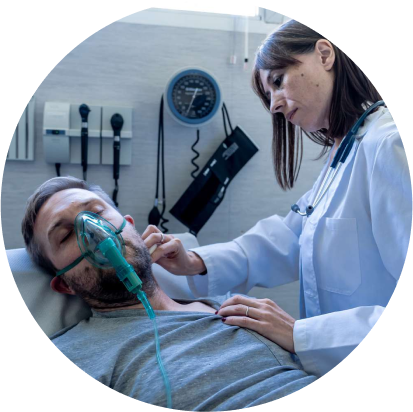
- Improved Survival Rates : Early detection of diseases such as cancer significantly increases the chances of successful treatment and long-term survival.
- Less Invasive Procedures : Our non-invasive breath analysis eliminates the need for painful and uncomfortable diagnostic procedures, making health monitoring more patient-friendly.
- Timely Medical Intervention : Rapid detection of diseases allows for prompt medical intervention, which can prevent the progression of conditions and reduce the severity of illnesses.

- Reduction in Disease Burden : Early detection and treatment can significantly reduce the prevalence and burden of chronic diseases, improving overall public health.
- Cost Savings :By catching diseases early, our technology can help patients prevent the need of downstream treatment.
- Equitable Healthcare Access : The non-invasive nature of our technology makes it accessible to a wider population, including those in underserved and remote areas